Play Therapy

Caoimhe O'Grady Tegart is a member of APAC (Academy of Play and Child Psychotherapy) and PTI (Play Therapy Ireland). Her qualifications in Play Therapy are accredited by National University of Ireland Galway and the University of Chichester.
What is Play Therapy?
- Play therapy is 45 minutes of non-directive and sometimes more directive play - in an individual session (not a group session) the child gets to choose what to do in that time. The child will be drawn to the do things that will help them, they may be processing things, figuring things out or adapting to new circumstances in their life, within that time. E.g. a child may bury a figure in the sand or want to bang on a drum - this could represent a frustration they are going through. There is no analysis but an acceptance that they are getting to work through whatever they need in that time.
- The play therapist must ‘hold space’ for the child and accept them as they are, allowing them to do what they want within limits.
- There are a few limits- they can’t hurt themselves, the play therapist or anything in the room.
- The relationship between the Play Therapist and child is very important to its success.
- The child is told from the start that they will be in the same room, at the same time on the same day, with the same things each week. A child can regress if these rules aren’t adhered to. It can take weeks for them to get back to where they were. They may doubt what the play therapist has told them and not trust them going forward.
- Consistency is key to its success as it leads to a trusting relationship.
- The difference between play therapy and life coaching is that play therapy will be a longer process - a minumum of 12 weeks and it is more non directive and dealing with the conscious and sub-conscious, life coaching is more directive and dealing with the conscious.
What if my child doesn't play much at home or feels too old to play.
 It doesn't matter if your child doesn't play much at home. There are many mediums to choose from in the play room and your child will be drawn to what they need at that time - Sand play, various characters and objects, many different arts and craft items, slime making and plastercine, clay, games, lego and building items, puppets, books. They can also choose not to play. It is always a rule of thumb not to ask any child how they got on or what they did in play therapy. Just like you wouldn’t ask another adult what they discussed in therapy it should be treated the same way, with discretion and privacy. Also you should avoid ever interupting a play therapy session or trying to make it shorter. Older children from 11-14 can take part - we call it Creative Arts Therapy for that age group. There are many things of interest to older children.
Groups sessions can work very well and can gain a lot of benefits. It is important to committ to the sessions and do everything you can to get your child there each week in order to reep the benefits. Please do not sign up if you can not manage to consistently bring your child along.
Does Play Therapy work?
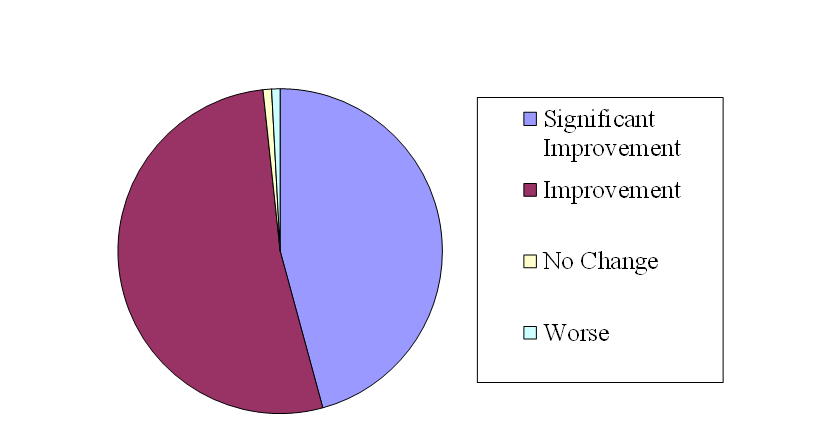
A study testing how useful play therapy was to children, was undertaken over a number of months in Kent, it is known as the Kent Pilot Trial. 126 students in a primary school were included in group play therapy using 3 play therapists. Due to time contrainsts each group of 3-4 children only revieved 6 sessions. Pre and post therapy scores inducated an improvement in group work, listening, communication and concentration amongt the children who took part in group play therapy sessions. They also found there was increased participation and reduced absences of the children who recieved play therapy. Overall there was a 98% improvement in children in the pilot. The results lead to country wide training of school staff in the UK in order to help children.